
Quick Summary
When learning how to fix a stuck driveway gate in Anaheim, homeowners can quickly troubleshoot minor malfunctions by safely checking power supplies, cleaning photo-eye sensors, and clearing track debris. Ironworks Gate Co. emphasizes that DIY efforts should be limited to non-invasive inspections, as hazardous mechanical, structural, and electrical faults require professional repair. Understanding these diagnostic steps helps you resolve basic operator issues safely or know when to call a local specialist for a same-day emergency gate repair.
How to Fix a Stuck Driveway Gate in Anaheim: Safe Visual Checks and Guidelines
When an automated driveway gate suddenly stops working, your routine grinds to a halt. Whether you are trapped inside your driveway or left with an unsecured property, dealing with a jammed gate is frustrating. If you encounter a stuck driveway gate in Anaheim, you can perform basic visual checks before calling a trained professional. Always keep people and vehicles clear of the gate path during any check.
Automatic gate operators exert significant force, and moving components create serious hazards. According to historical U.S. Consumer Product Safety Commission (CPSC) data, automatic gate systems were linked to nearly 25,000 injuries from 1990 through 2000; this is national historical data and is not Anaheim-specific. Entrapment and impact injuries can include cuts, broken bones, hematomas, and amputations. The provided research does not establish a current Anaheim-specific percentage or count for stuck gates, repair calls, failure causes, or local automatic-gate incidents.[1]
Safety Warning: Never force the gate, never bypass entrapment-protection devices, and never work near moving parts without securing the gate against movement. DIY troubleshooting should be limited strictly to safe visual checks and clearing loose surface debris. According to specialists at Ironworks Gate Co., mechanical repairs, component adjustments, sensor realignment, wiring work, chain work, structural work, and internal electrical work should be handled exclusively by a trained gate technician.[2]
Understanding Why Driveway Gates Fail
Gate problems generally stem from physical, electrical, or environmental factors:
- Environmental and Weather Factors: High winds can exert heavy pressure against wide gate panels, increasing mechanical resistance and causing safety sensors to halt operation. Over time, ground movement, moisture, and temperature fluctuations can also affect post stability or track alignment.
- Physical Wear and Structural Shifts: Wear on rollers, hinges, and posts can cause a gate leaf to sag or bind against the ground, latch, or guide hardware.
- Local Fire-Access Note: In Anaheim, a stuck gate at a designated fire-access entrance may create an access or compliance issue and should be escalated promptly, subject to applicable Anaheim requirements.
Step 1: Check the Power Supply and Circuit Breaker
Before investigating other elements, perform safe visual checks on external power sources while keeping all people and vehicles clear. Disconnect power only if it can be done safely.
- Check the main breaker: Look at your home electrical panel or dedicated sub-panel to see if a circuit breaker has tripped.
- Check the GFCI outlet: If the operator connects to an external weatherproof GFCI receptacle, visually inspect it to check if the reset button has tripped due to moisture or an electrical surge.
- Inspect the external operator switch: Visually confirm that any external service switch on the motor enclosure has not been turned off. Do not open internal electrical compartments.
Step 2: Visually Inspect and Clean Photo-Eye Sensors
Driveway gates use photo-eye sensors to detect obstructions in the gate pathway. Safe homeowner action is limited to clearing external obstructions and cleaning lenses.[3]
- Clean the lenses: Wipe dust, cobwebs, and moisture off external sensor lenses using a soft, dry or damp microfiber cloth.
- Check indicator lights: Look at the external indicator lights on the sensors. LED indicators and alignment procedures vary by manufacturer and model; always consult your operator manual for model-specific status light definitions. As noted by Ironworks Gate Co., any physical sensor realignment or wiring adjustment should be performed by a trained technician.
- Clear surrounding debris: Visually inspect the area and trim back overgrown vegetation, tall grass, or loose trash that may block the sensor beam.
Step 3: Inspect the Track, Rollers, and Ground Clearance
Need how to fix a stuck driveway gate anaheim?
We’re available now - call for a fast, free estimate.
Physical debris along the gate pathway can stop an operator.
- Clear the track: Use a broom to sweep away gravel, leaves, and loose dirt from the ground track of a sliding gate.
- Visually inspect rollers and hardware: Look for visible damage, severe rust, or debris lodged in rollers and hinges. Do not attempt to loosen or adjust roller brackets.
- Check ground clearance: Visually verify that the bottom edge of a swing or slide gate is not catching on raised pavement or landscaping.
Step 4: Safe Emergency Manual Release
If you must open the gate manually during an outage or malfunction, prioritize personal safety above all else.
- Clear the area: Ensure all people, children, and vehicles are entirely clear of the gate’s travel path.
- Disconnect power safely: Disconnect power to the operator only if it can be done safely, preventing the motor from activating unexpectedly.
- Follow manufacturer instructions: Use only the manufacturer-supplied emergency release procedure and key for your specific model (such as unlocking a designated external release lever or bypass clutch). Never remove cotter pins, clevis pins, or loosen chain components, and never improvise a manual release without model-specific manufacturer instructions.
- Do not force the gate: Move the gate slowly and gently. If there is resistance, stop immediately. Never force the gate against resistance.
Step 5: Check Remote Controls and Access Keypads
If the mechanical system is intact, perform simple checks on external control accessories.
- Replace remote batteries: Test the gate using fresh batteries in your handheld remote transmitter.
- Visual inspection of keypads: Check external keypads for visible physical damage, stuck keys, or water intrusion. Do not attempt internal wiring repairs.
- Inspect the external antenna: Visually inspect the external radio antenna on the operator housing to ensure it is intact and undamaged.
When to Call a Professional Gate Repair Technician
Persistent faults, unusual noises, physical resistance, or failed safety tests require professional inspection. You should immediately contact a trained gate technician for:
- Structural and hinge repairs: Re-aligning, repairing, or welding structural posts and heavy hinge assemblies.
- Mechanical and chain adjustments: Chain re-tensioning, gearbox repairs, or spring adjustments.
- Sensor and safety realignment: Any internal electrical diagnostic, sensor rewiring, or safety-edge replacement.
- Motor and control board diagnostics: Troubleshooting humming motors, failed circuit boards, or unresponsive electronic controls.
Frequently Asked Questions
Why is my driveway gate stuck halfway?
A gate that stops mid-cycle is typically reacting to an obstruction trigger, safety sensor activation, excessive mechanical friction, or travel limit faults. If safe visual checks and clearing surface debris do not resolve the issue, a trained technician should inspect the system.
How do I manually release a stuck gate?
Always disconnect power safely first, and follow only the model-specific emergency release instructions provided by the manufacturer. Never attempt to improvise a release by removing clevis pins, cotter pins, or chain hardware.
How much does driveway gate repair cost?
Repair costs vary depending on the operator type, structural condition, replacement parts required, and the specific labor involved. Contact a licensed local gate professional, such as Ironworks Gate Co., to obtain an accurate, verified quote for your system.
Why does my gate open or reverse on its own on windy days?
High winds can push against gate panels and create mechanical resistance that triggers built-in safety force sensors. If wind resistance frequently causes safety reversals, have a qualified technician evaluate the gate operator settings and structural hardware.[4]
Need how to fix a stuck driveway gate anaheim?
We’re available now - call for a fast, free estimate.
Sources
- AB 2149 (Connolly) – sjud.senate.ca.gov (2024)
- New Safety Standard for Automatic Security Gates Helps … – cpsc.gov (2000)
- Final Rule – Safety Standard for Gates and Enclosures – CPSC – cpsc.gov (2020)
- Garage Door Operators/Gate Operators – cpsc.gov (2003)
Related reading: Why Won’t My Electric Gate Close Anaheim – Call Now-10% Off – On-Site in 60 Minutes – Free Estimate
Related reading: Signs Your Gate Motor Is Failing Anaheim | 10% Off & Free Estimate | Same-Day Service
Related reading: Troubleshooting Gate Photo Eyes Anaheim | Call Now-10% Off | Same-Day Service | Free Estimate
Frequently Asked Questions
What should I do if my driveway gate is stuck and blocks emergency access in Anaheim?
If your gate is stuck along a designated Anaheim fire-access route, do not attempt to force the gate, as this can bend hinges and warp structural posts. Safely use the manufacturer manual release key or call Ironworks Gate Co. for same-day emergency gate repair to restore access immediately.
Why is my driveway gate motor humming but the gate will not open?
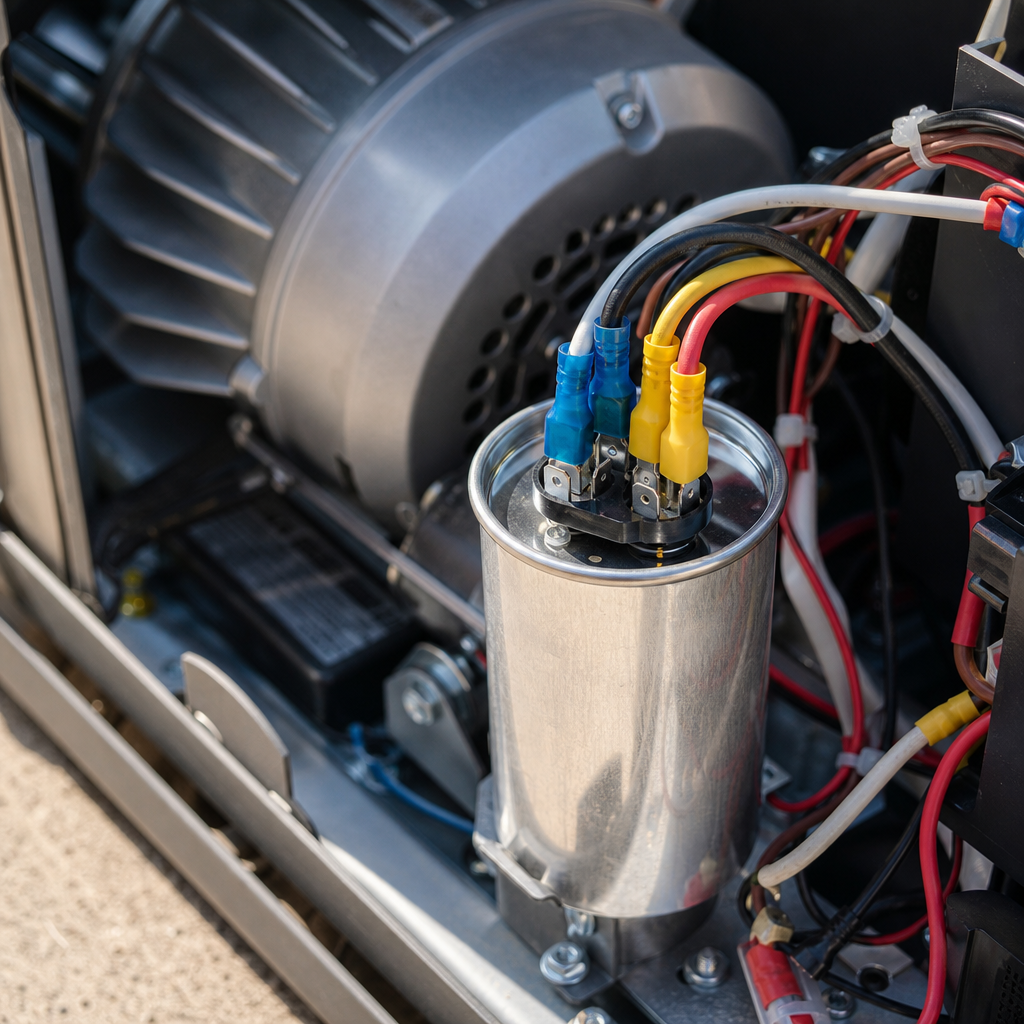
A humming motor indicates that the unit is receiving power but cannot physically move the gate leaf due to seized rollers, track binding, or internal capacitor failure. Cut power immediately to prevent the motor from burning out, and schedule a free on-site gate assessment with Ironworks Gate Co. to diagnose the mechanical issue.
Is it safe to adjust the drive chain or realign safety sensors on a stuck gate myself?
No, DIY troubleshooting should strictly be limited to cleaning external lenses and sweeping debris from ground tracks. Adjusting high-tension drive chains, brackets, or internal safety-eye wiring carries severe entrapment risks and requires a qualified gate technician.
About the author
 |
David Harrison David Harrison is a seasoned technical writer with over eight years of experience specializing in the access control and home security industries. Holding a Bachelor’s degree in Communications from California State University, Fullerton, he translates complex gate repair diagnostics and pricing structures into clear, actionable advice for property owners. David’s practical insights help Orange County residents and businesses navigate automatic gate maintenance with confidence and transparency. |
Gate not opening, off track, or opener dead?
We’re available now - call for a fast, free estimate.
Call Now - Free Estimate